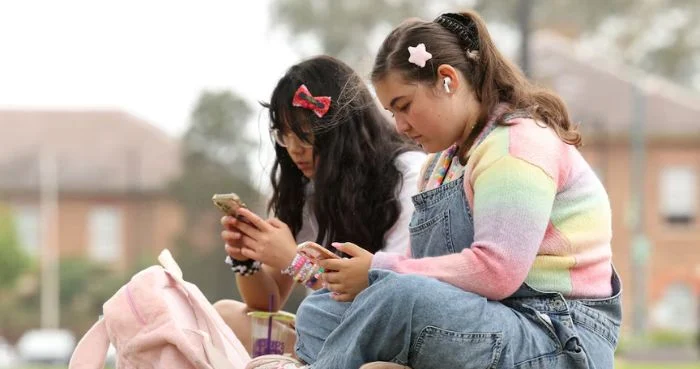
Ten of the largest platforms will have to ban Australians under 16 starting at midnight (1300 GMT) or face fines of up to A$49.5 million ($33 million). Parents and kid activists applauded the bill, but big tech corporations and proponents of free speech harshly criticized it. The implementation puts an end to a year of debate over whether or not a nation can prohibit youngsters from using technology that is a necessary part of contemporary life. And it starts a live experiment that will be examined worldwide by legislators who wish to take direct action because they believe the tech sector has been too sluggish to carry out successful harm-minimization initiatives.
Four years after a leak of internal Meta documents revealed the company knew its products contributed to body image issues and suicidal thoughts among teenagers while publicly denying the link existed, governments from Denmark to Malaysia, as well as some U.S. states where platforms are rolling back trust and safety features, say they plan similar steps. According to Tama Leaver, a professor of internet studies at Curtin University, “Australia is the first to adopt such restrictions, but it is unlikely to be the last.” Governments everywhere are observing how Big Tech’s dominance was effectively challenged. Australia’s social media prohibition is a huge red flag.
The British government is “closely monitoring Australia’s approach to age restrictions,” according to a spokesman for the government, which started requiring websites with pornographic content to prohibit users under the age of eighteen in July. “Everything is on the table when it comes to children’s safety,” they continued. Few people will examine the effects as thoroughly as Australians. Stanford University and eleven professors were engaged by the Australian authority responsible for implementing the ban, the eSafety Commissioner, to analyze data on thousands of young Australians who were subject to the restriction for at least two years. The Dow fell just under half a percent, the S&P 500 lost more than a third of a percent, and the Nasdaq slightly declined as Wall Street’s primary index closed lower on Monday.
THE START OF THE END Although Alphabet’s YouTube, Meta’s Instagram, and TikTok are among the ten networks that are initially covered by the ban, the government has stated that the list will vary when new products emerge and younger people move to other platforms. All of the first ten, with the exception of Elon Musk’s X, have stated that they will comply by employing age estimation, which is typically based on a selfie, or age inference, which determines a person’s age based on their online activities. They may also verify using linked bank account information or submitted identification documents. The majority of platforms have protested that the prohibition infringes on people’s freedom to free speech, and Musk has stated that it “seems like a backdoor way to control access to the internet by all Australians.”
A libertarian state legislator is in charge of an ongoing challenge to the Australian High Court. According to studies, the implementation ushers in a new period of structural stagnation for social media companies as user numbers stagnate and platform usage declines. Platforms claim that displaying ads to under-16s doesn’t bring in much money, but they also point out that the prohibition disrupts a pipeline of potential users. According to the government, 86% of Australians between the ages of 8 and 15 utilized social media just prior to the ban. According to Terry Flew, co-director of the University of Sydney’s Centre for AI, Trust and Governance, “I believe the days of social media being seen as a platform for unbridled self-expression are coming to an end.”
“If that had been the structure of social media in the boom period, I don’t think we’d be having this debate,” he continued. Platforms responded to unfavorable headlines and regulatory threats with measures like a minimum age of 13 and additional privacy protections for teens.